We discuss William Taylor's challenge, alternative ordinations, the prospect of a parallel province and ask whether the new Archbishop of Canterbury will meet with the leaders of the Alliance or try to ‘kick the can down the road.’
We discuss William Taylor's challenge, alternative ordinations, the prospect of a parallel province and ask whether the new Archbishop of Canterbury will meet with the leaders of the Alliance or try to ‘kick the can down the road.’
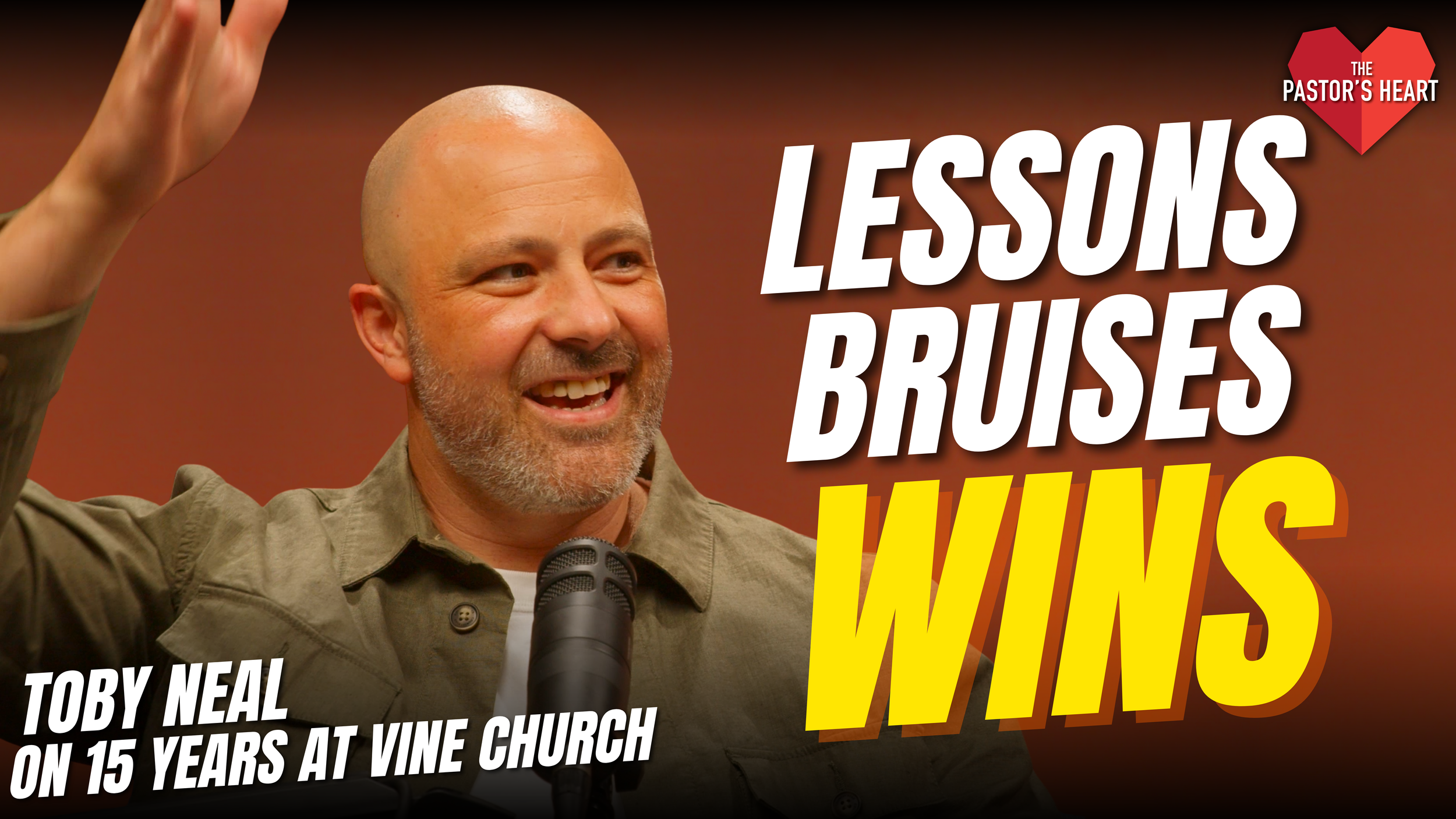
They said a Bible-believing church would never grow in Sydney's secular heartland.
But 15 years after planting Vine Church in Surry Hills with just 12 adults, Toby Neal leads a church community of 380, with over 160 professions of faith.
We often make mission decisions around personal connections, available opportunities, language skills or where churches already have established partnerships. But Tim Silberman says we need to take a harder, more objective look at gospel need.
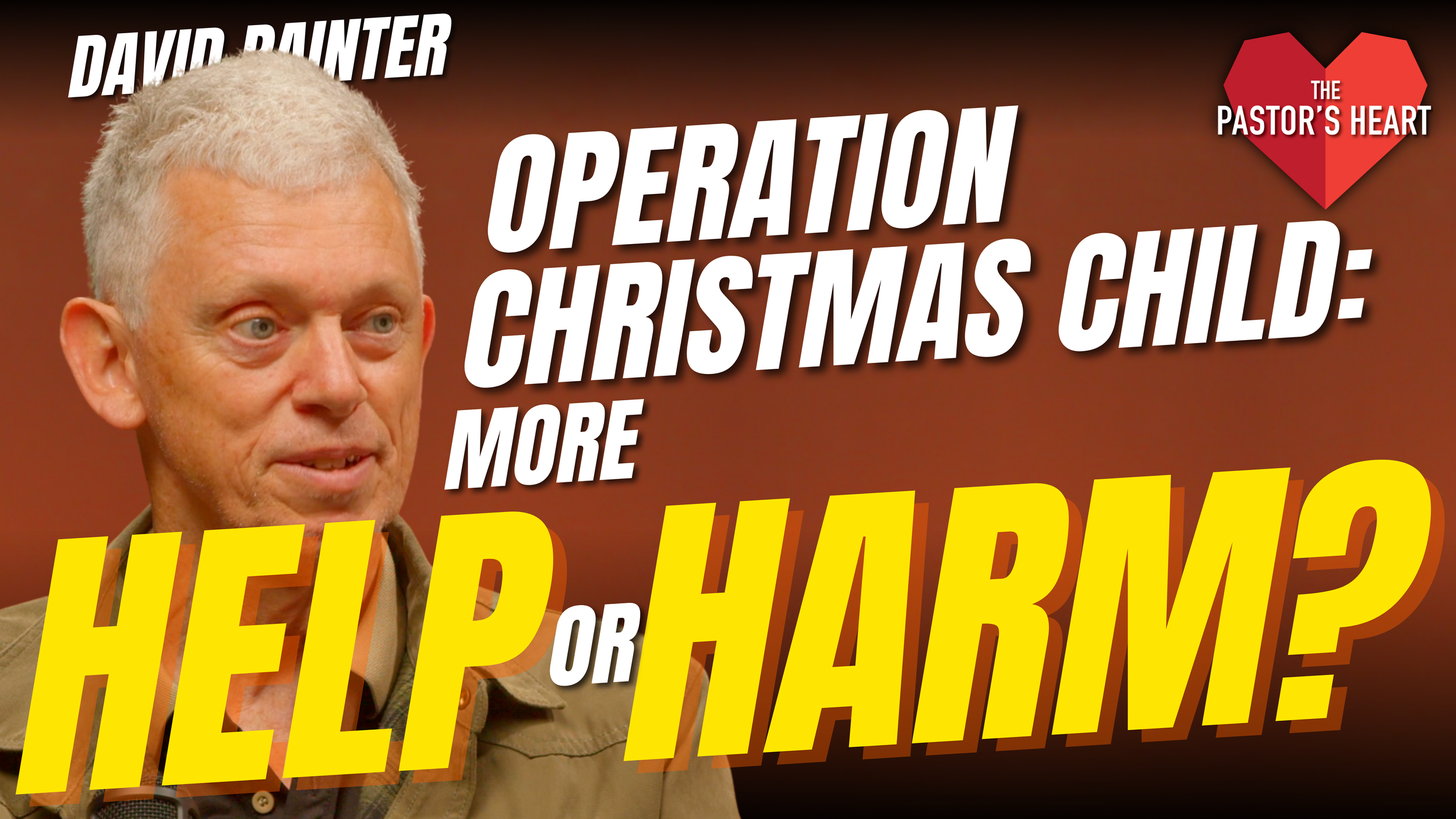
Before your church packs another Christmas shoebox, pause to ask: who is our generosity really helping?
After more than twenty years serving with the Church Missionary Society in Cambodia, David Painter has challenging questions about Samaritan’s Purse’s Operation Christmas Child—and the way Western Christians support overseas mission.
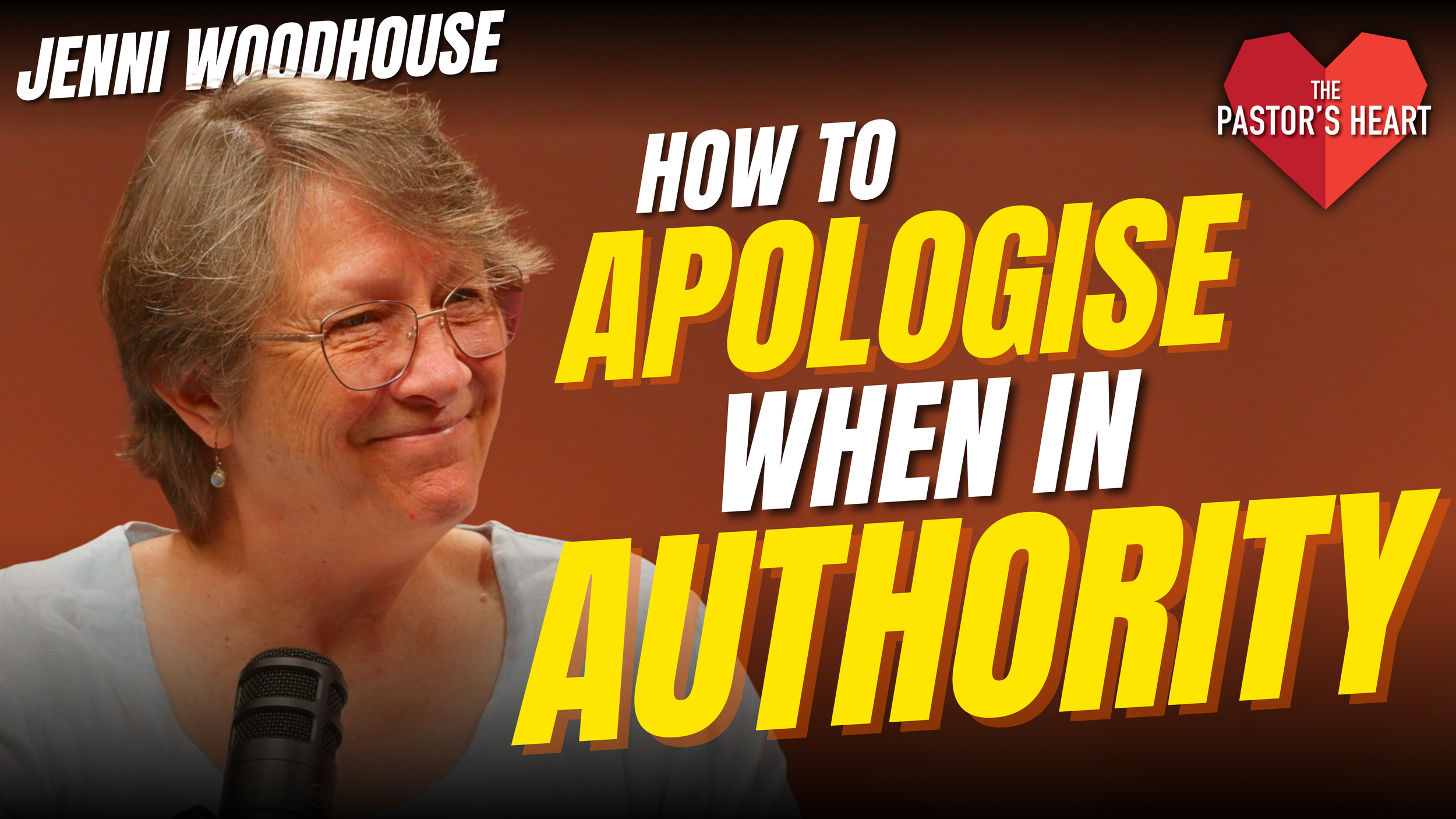
What happens when someone has been hurt in a Christian organisation, and the person they need to complain about has authority over them?
Does Christian conflict resolution sometimes assume an equality that simply isn’t there? What changes when the other person is your senior pastor, CEO, bishop or ministry boss — someone who holds not only organisational authority, but perhaps pastoral and spiritual authority as well?
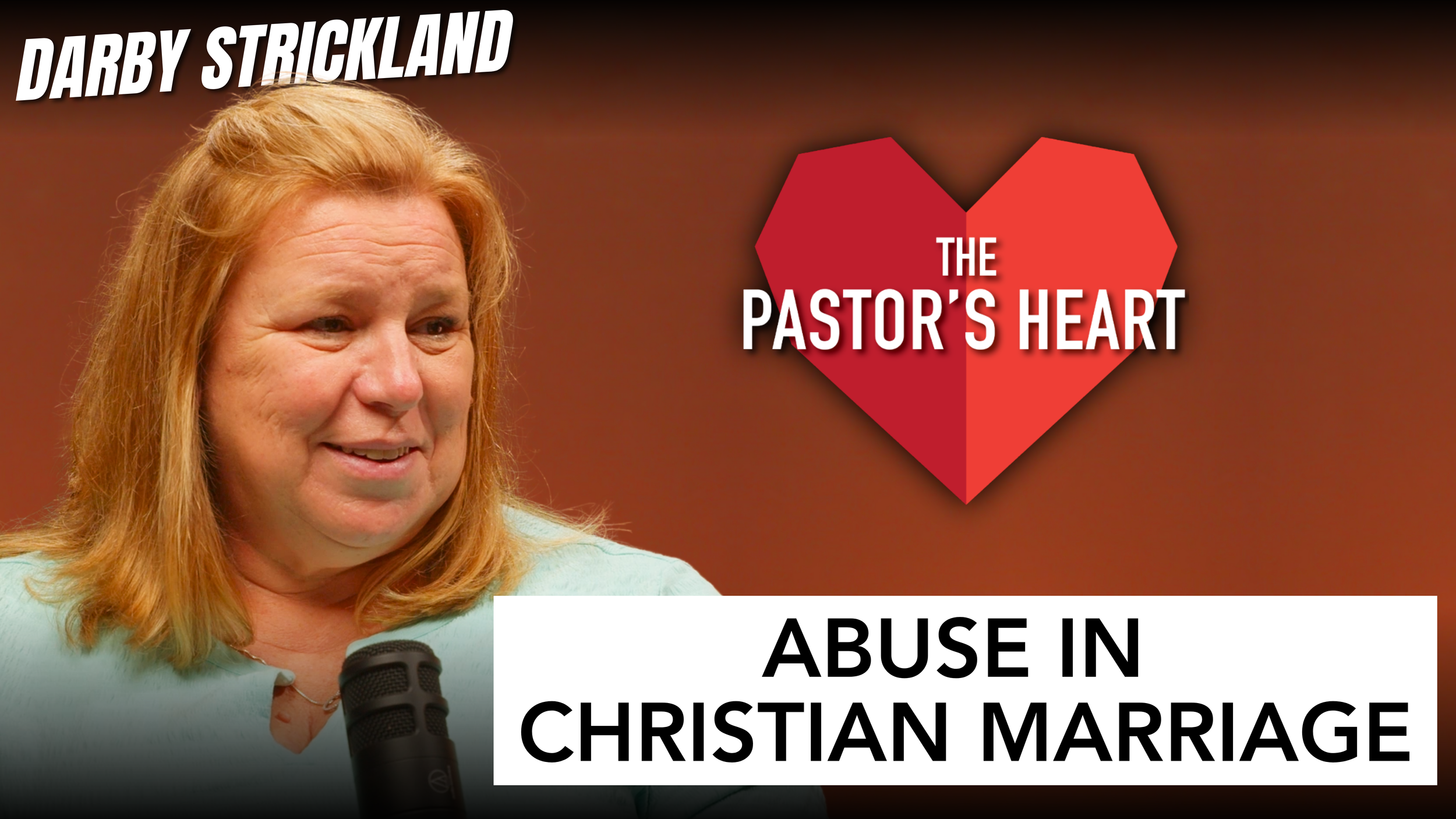
How might we better (as pastors) better come alongside victims of domestic abuse?
Counsellor and author Darby Strickland joins us to discuss domestic abuse, the entitlement that drives it, and the patterns of control that can be hidden beneath an appearance of Christian respectability.
Why do some church teams emerge from disagreement stronger, while others fracture, divide or quietly drift apart?
Tim Dyer has spent years helping churches and ministry leaders navigate conflict. He says church teams can be simultaneously conflict-prone/averse and process-poor, which can lead to a “high fire danger rating”.
Consent, Bodies and Belonging: Ministering to Young People with Disability.
Accessibility Ministry Advisor at Sydney Anglican Youthworks Bec Baines speaks about consent, capacity, bodies and belonging, and how to disciple young people with intellectual disability.
Craig Roberts, CEO of Anglican Youthworks and chair of the committee behind the new Sydney Anglican attendance report, says there’s much to thank God for, but there’s also some challenging numbers, as Sydney Anglicans pursue the ambitious goal of 5% annual attendance growth through people coming to faith in Jesus.
What's the functional idol in your own ministry? Career? Family? The platform? The numbers? Are we preaching law as legalism dressed up as discipleship, or grace so loose it asks nothing of anyone?
In this episode, we examine the application of the ten commandments to pastoral leadership today.
We are with Dr Andrew Atherstone (Wycliffe Hall Oxford) and this time we trace how a Sydney rector's insistence on Bible teaching and the local congregation, over and above inherited Anglican structure made such an impact on the UK evangelical scene.
For evangelical Christians in the Church of England, the question of whether to stay, resist, or leave is a live crisis.
Church historian Dr. Andrew Atherstone (Wycliffe Hall, Oxford) to look back at six decades of evangelical oral history—and what it teaches us about our current crossroads.
We often speak about the pressures and heartbreaks of pastoral ministry. But we speak far less about its joys, privileges and eternal rewards.
Matt Fuller, Senior Minister of Christ Church Mayfair, joins us to discuss his new book, The Joyful Pastor (Despite Everything).
How not to be misled filling in the Religious Question on the Australian Census.
A secular advocacy campaign is targeting Australians who have a loose connection with faith— telling some they should mark “No religion.”
It’s online quiz looks like Census guidance.
But here’s the problem. It misleadingly substitutes its own test for the question being asked by the Bureau of Statistics.
Social researcher Mark McCrindle says the Bureau is not trying to measure active engagement but rather affiliation.
In this special ‘pop up’ episode of The Pastor’s Heart we talk with New Testament Professor Darrell Bock about how best might Christians might engage culturally to reach Australians for Jesus.
Leading New Testament scholar Darrell Bock gives a rapid fire exploration of Luke and Acts, addressing 30 rapid fire questions (in 30 minutes) focusing on every current controversy in Lukan studies.
Do our sermons actually land in the lives of the people in front of us?
Do they help anxious believers, tired parents, proud leaders, compromised Christians or sceptical guests to hear, trust and obey the living Word of God?
New global research associated with Harvard University suggests that people who regularly attend church tend to do better in life than people who do not.
But if churches are helping people flourish, what is happening to the pastors who lead them?
On the surface, some are drawn by beauty, history, liturgy, mystery, masculinity, discipline and Orthodoxy’s claim to be the original church.
But John Diacos says beneath many of the surface attractions lies something much more spiritually dangerous.
For a generation of Sydney evangelicals, the Katoomba Christian Conventions weren’t just events in the calendar - they shaped church programs across the city.
In the 80s, 90s and early 2000s, thousands gathered under the circus tent and then later in packed auditoriums to hear the Bible taught, sing with conviction and be raised up for ministry.
But how did Katoomba become such an influence in Sydney evangelicalism? What decisions shaped its extraordinary impact? And what lessons are there for today.